Diferencias entre tuberías sin costura y soldadas: una comparación técnica completa.
Mar 18, 2026
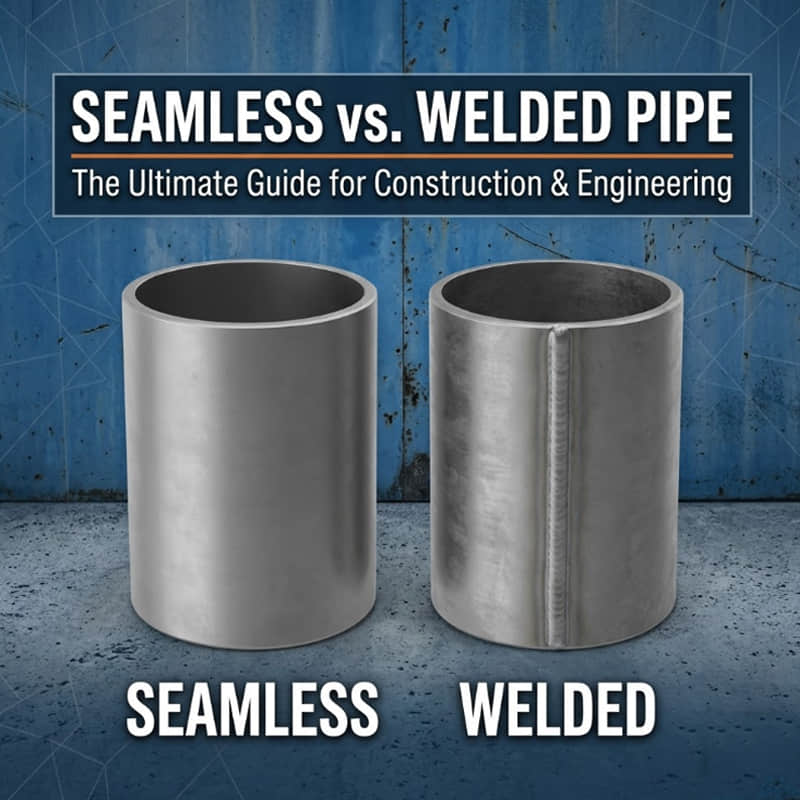
Tubos y tuberías de acero Las tuberías son la estructura fundamental de cualquier proyecto de construcción, infraestructura o transporte de fluidos industriales. Elegir entre tuberías de acero sin costura (SMLS) y soldadas es una decisión crucial. Ambos tipos de tuberías tienen sus propias aplicaciones y requisitos en diversos sectores.Aunque aparentemente se trate del mismo material, los diferentes métodos de fabricación, propiedades mecánicas y costes pueden variar considerablemente entre ambos. Esta ficha informativa tiene como objetivo ayudar a seleccionar el material más adecuado para cada aplicación. Comprender el proceso de fabricación La diferencia fundamental entre estos dos tipos de tubería radica en el método de producción. Este origen define las propiedades físicas y los límites de rendimiento del material.Cómo se fabrican las tuberías sin costuraLos tubos sin costura se fabrican sin una junta de soldadura longitudinal, utilizando un proceso de extrusión o un proceso de perforación rotativa.Cómo se elabora: El proceso consiste en calentar un lingote cilíndrico sólido de acero a temperaturas extremadamente altas y, a continuación, empujarlo o tirar de él sobre una varilla perforadora larga y caliente para convertirlo en un tubo hueco.El resultado: Estructura monolítica con metalurgia uniforme. Al no tener juntas, el material carece de puntos débiles inherentes que puedan fallar bajo alta presión o en entornos corrosivos severos.Cómo se fabrican las tuberías soldadasLas tuberías soldadas se fabrican a partir de una tira plana, lámina o placa de acero (conocida como skelp).El proceso: Este material es una placa de acero laminada en forma de cilindro y conformada en círculo. La unión o costura en los dos lados del círculo se suelda aplicando calor mediante una fuente externa, como la soldadura por resistencia eléctrica (ERW), la soldadura por arco sumergido longitudinal (LSAW) o la soldadura en espiral (SSAW).El resultado: Una tubería con una costura a lo largo de su longitud. Con la llegada de la soldadura moderna, las costuras son resistentes, pero representan un punto débil en la tubería y una alteración respecto a su estado original sin costuras. Diferencias clave: Rendimiento y características I. Valores de presión y resistencia mecánicaEsta es la distinción técnica más importante para aplicaciones de servicio pesado.Tubería sin costura. Las tuberías sin costura pueden soportar un 20 % más de presión que las tuberías soldadas del mismo material y dimensiones. No existe riesgo de rotura de la costura.Tubería soldada ERW. Estas tuberías soldadas de alto contenido de carbono ofrecen alta calidad y fiabilidad. En el caso de tuberías soldadas, se debe aplicar el factor de eficiencia de la junta establecido en el código para el diseño de recipientes a presión, estructuras soldadas, etc. Para vapor a alta presión y gases volátiles, donde la junta no es efectiva en muchos casos, se prefieren las juntas sin costura a las soldadas. II. Precisión dimensional y espesor de paredTubos soldados: Los tubos soldados se fabrican con chapas de acero laminadas en frío, por lo que el espesor de la pared es muy uniforme. El acabado superficial suele ser mejor y los tubos presentan una mejor circularidad.Tubo sin costura: La excentricidad que puede surgir durante el proceso de extrusión puede no ser deseable. La ventaja de un tubo soldado es que esta excentricidad se evita. La precisión del ajuste y la suavidad de la superficie suelen ser mejores en los tubos soldados. III. Resistencia a la corrosiónEn la mayoría de los casos, la corrosión se produce en la parte más débil del metal. La zona más propensa a la corrosión en tuberías soldadas es la Zona Afectada por el Calor (ZAC), cerca de la soldadura, y puede requerir un tratamiento adicional. Las tuberías sin costura presentan una estructura granular más uniforme, lo que les confiere una ventaja en ambientes corrosivos y con alto contenido de azufre. IV. Costos y plazos de entregaTubería soldada: La tubería soldada es económica debido a su rápido proceso de fabricación y menor consumo de energía. Generalmente se utiliza para tuberías de gran diámetro, ya que el costo es un factor primordial.La fabricación de tuberías sin costura es un proceso más largo que la de tuberías soldadas. Además, requiere más mano de obra y energía. Por lo tanto, las tuberías sin costura siempre son más caras que las soldadas. El proceso de fabricación de tuberías sin costura de gran diámetro es más complejo que el de las soldadas. En consecuencia, el plazo de entrega de las tuberías sin costura es mucho mayor. Tabla resumen comparativa CaracterísticaSin fisuras (SMLS)Soldado (ERW/LSAW)FabricaciónExtrusión en caliente a partir de un lingote sólidoLaminado y soldadura de una placa de aceroCosturaSin costurasCostura longitudinal o en espiralCapacidad de presiónDe alto a muy altoDe medio a altoUniformidad de la paredModerado (puede variar)Excelente (constante)PrecioMás altoMenor / EconómicoRango de tamañosPrincipalmente diámetros pequeños/medianosDisponible en diámetros muy grandes. Guía de solicitud: Criterios de selección La selección de la tubería adecuada depende del entorno operativo y de las normas reglamentarias (como ASTM A106 o ASTM A53).Utilice tubería sin costuras cuando:El proyecto incluye sistemas de alta presión (por ejemplo, líneas hidráulicas, gas a alta presión).La aplicación implica temperaturas extremas (por ejemplo, tubos de calderas o tuberías de refinería).El entorno es altamente corrosivo, lo que podría comprometer la integridad de las soldaduras con el tiempo.La máxima seguridad estructural es la prioridad, independientemente del coste adicional. Utilice tuberías soldadas cuando:El proyecto es para obras de construcción en general (por ejemplo, andamios, soportes estructurales o vallas).La aplicación implica el transporte de fluidos a baja o media presión (por ejemplo, tuberías de agua, sistemas de climatización).Se requieren tuberías de gran diámetro (las tuberías soldadas pueden superar fácilmente las 24 pulgadas).La rentabilidad y la rapidez en la entrega son factores clave para el éxito del proyecto. Normas de calidad y pruebas Independientemente del tipo, las tuberías deben estar certificadas según las normas internacionales para garantizar su fiabilidad. Algunos parámetros comunes son:ASTM A53: Abarca tanto tuberías de acero sin costura como soldadas, destinadas a aplicaciones generales. API 5L: Norma para tuberías de conducción utilizadas en aplicaciones relacionadas con el petróleo y el gas. ASTM A106: Norma para tuberías de acero al carbono sin costura para altas temperaturas.Es fundamental verificar los informes de ensayos no destructivos (END), como las pruebas ultrasónicas o de rayos X para las soldaduras, para garantizar la integridad estructural de los materiales. Conclusión La elección entre tubería sin costura y soldada En realidad, se trata de elegir la tubería adecuada para la aplicación específica, más que de determinar cuál es el mejor producto. La tubería sin costura siempre es la mejor opción para aplicaciones de alta presión. Sin embargo, la tubería soldada es un producto rentable y de alta calidad, muy adecuado para una amplia gama de aplicaciones industriales y estructurales. Comprender la diferencia técnica entre un cable y un alambre le ayudará a gestionar su cadena de suministro, reducir el riesgo para su infraestructura y prolongar la vida útil de su instalación. ¿Listo para encontrar la tubería adecuada para su proyecto?Desde tubos sin costura de alta presión para procesos industriales hasta tuberías soldadas a granel para construcciones a gran escala, seleccionar el material correcto es vital.[Póngase en contacto con nuestro equipo técnico hoy mismo]Para obtener un presupuesto personalizado y asesoramiento experto en la selección de materiales, contáctenos. Construyamos algo duradero. Preguntas frecuentes ¿Cómo puedo distinguir visualmente entre una tubería sin costura y una soldada?La forma más obvia es buscar una costura longitudinal en la superficie interior o exterior. Sin embargo, algunas tuberías soldadas se someten a un proceso de estirado en frío o eliminación de la costura, lo que hace que la soldadura sea prácticamente invisible. En estos casos, consultar el informe de prueba de fábrica (MTR) o buscar marcas específicas (como ASTM A106 para soldadura sin costura) es el método más fiable. ¿Por qué las tuberías sin costura son más caras que las tuberías soldadas?La diferencia de costos se debe a la complejidad de la fabricación. Producir tuberías sin costura requiere grandes cantidades de energía para calentar y perforar lingotes de acero macizo. Además, la maquinaria necesaria para la extrusión es más costosa de operar y mantener en comparación con los equipos de laminado y soldadura utilizados para las tuberías soldadas.


 en
en fr
fr es
es