Andamios suspendidos vs. andamios colgantes: La guía definitiva para contratistas y distribuidores
Dec 27, 2025Seleccionar el equipo de acceso adecuado para un proyecto es crucial para todos los aspectos de la construcción y el mantenimiento cuando se trata de estructuras grandes; afecta tanto la seguridad como los tiempos y la rentabilidad de un proyecto.
Los gerentes de proyecto y las empresas de alquiler de andamios suelen confundir la terminología asociada con el acceso a los proyectos. Es común usar los términos Andamios suspendidos y Andamios colgantes Aunque ambos métodos de soporte se basan en la gravedad, funcionan basándose en ella y utilizan sus principios de forma diferente a los andamios tradicionales: se suspenden o sostienen en lugar de apoyarse en la base.
Un buen fabricante de andamios Entendemos que la selección de equipos de acceso requiere un amplio conocimiento de las especificaciones técnicas correspondientes. Esta guía ofrece una descripción general de los criterios de diseño, las aplicaciones y las características de seguridad de ambos tipos de equipos para ayudarle a determinar cuál se adapta mejor a sus necesidades y a comprender qué buscar para ampliar su inventario o cumplir con los requisitos de su proyecto.
El conocimiento de ambos tipos de andamios se obtiene mejor a través de su uso, específicamente de su capacidad para moverse.
Los andamios suspendidos funcionan moviéndose hacia arriba y hacia abajo durante el uso, mientras que los andamios colgantes son estacionarios y permanecen en un lugar después de haber sido instalados.
Comprender qué hace que los dos tipos de andamios sean diferentes le brindará la base para tomar una decisión sobre el tipo de andamio que necesitará para su proyecto.
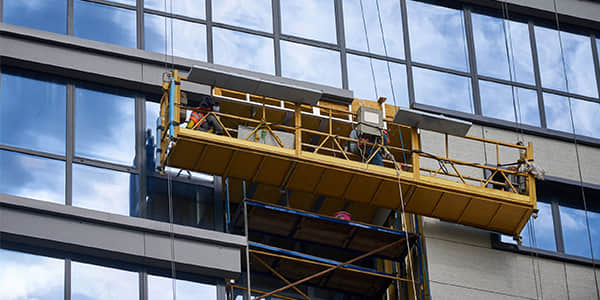
Por lo general, la gente imagina andamios suspendidos cuando piensa en limpiadores de ventanas trabajando en lo alto del costado de edificios grandes; estos a menudo se llaman etapas de swing Dentro de la industria, los andamios suspendidos se definen como plataformas suspendidas (a menudo mediante cuerdas u otras opciones no rígidas). Este tipo de plataformas también se pueden operar con una máquina elevadora mecánica o un polipasto.
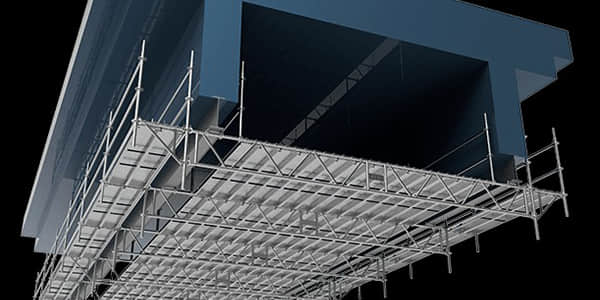
A Andamio colgante(a menudo llamado andamio suspendido) crea una plataforma de trabajo sólida y fija bajo una estructura. A diferencia del andamio colgante, se construye con componentes rígidos, generalmente sistemas de tubo y abrazadera o de anilla, que se fijan firmemente a vigas o viguetas superiores.
Se cuelga de la estructura, pero funciona como un suelo tradicional. No se mueve. Para acceder a otra zona, es necesario desmontar el andamio y volver a montarlo (o extenderlo aún más).
Para los distribuidores y empresas de alquiler que buscan abastecer su inventario, comprender las ventajas y desventajas técnicas es clave para asesorar a sus clientes finales.
Característica | Andamio suspendido (plataforma oscilante) | Andamio colgante (suspendido) |
Movilidad | Dinámico. Se mueve verticalmente mediante motores. | Estático. Fijo en su lugar. |
Velocidad de configuración | Rápido. Una vez instalada la plataforma del techo, la plataforma está lista. | Lento. Requiere un montaje laborioso de tubos y abrazaderas. |
Capacidad de carga | Trabajo ligero/mediano. Principalmente para personal y herramientas ligeras (p. ej., 250-1000 kg). | Resistente. Capaz de soportar grandes pesos con equipos de arenado, además de numerosos trabajadores, según su diseño. |
Dependencia de la estructura | Se basa en puntos de anclaje al techo o contrapesos. | Depende de la integridad estructural de las vigas/vigas superiores. |
Tipo de componente | Piezas mecánicas especializadas (Motores, Cubiertas de aluminio). | Componentes generales de andamios (tubos, acopladores, tableros). |
Según nuestra experiencia, la seguridad de estos sistemas comienza desde su fabricación. Todos los fabricantes deben evaluar cuidadosamente los procesos de fabricación empleados para crear cualquier plataforma giratoria, así como sistemas de abrazaderas tubulares y de elevación, antes de continuar utilizándolos.
Como estas plataformas se mueven a gran altura, el fallo no es una opción.
El riesgo aquí es el fallo del punto de conexión (la abrazadera que sujeta el andamio a la viga).
Si usted es un distribuidor de andamios o una empresa de alquiler, su estrategia de compra depende de las demandas de su mercado local.
Al importar andamios del extranjero, el "Certificado de cumplimiento" es su pasaporte para ingresar a los principales sitios de trabajo.
Para andamios suspendidos, busque fábricas que cumplan con las normas EN1808 (Requisitos de seguridad para equipos de acceso suspendidos) o OSHA 1926.451.
Para andamios colgantes (específicamente los componentes), asegúrese de que el fabricante tenga certificación ISO 9001 y que pruebe los acopladores según los estándares de prueba EN74 o BS 1139.
En nuestras instalaciones, cada lote de acero se somete a pruebas de resistencia a la tracción y cada motor se somete a rigurosas pruebas de carga antes de su embalaje. Entendemos que, en el sector de la construcción, su reputación depende de la calidad de nuestros equipos.
Si bien los andamios suspendidos y colgantes cumplen funciones distintas durante el proceso de construcción, su requisito de "Rendimiento con calidad" es común.
El movimiento vertical proporcionado por una plataforma oscilante motorizada y la estabilidad horizontal proporcionada por plataformas industriales suspendidas están impulsados por la misma necesidad de ingeniería de calidad.
Para garantizar la calidad durante la fase de construcción, es fundamental encontrar el fabricante adecuado. La baja calidad del acero y los motores poco fiables provocarán retrasos en la finalización del proyecto y generarán importantes problemas de seguridad.
Como fabricante líder de andamios, nos especializamos en soluciones de andamios certificadas y de alta calidad, adaptadas al mercado global. Desde acopladores forjados de alta resistencia hasta sistemas de plataformas suspendidas de última generación, ofrecemos los equipos que construyen el mundo.
[Contáctenos hoy] Para un catálogo al por mayor o una cotización personalizada para su próximo proyecto. Construyamos seguridad juntos.
¿Puedo utilizar un andamio suspendido en condiciones de viento?
¿Es "Tubo y Abrazadera" la única forma de construir un andamio colgante?
¿Necesito una formación especial para operar estos sistemas?
Como fabricante, ¿puede personalizar la longitud de las plataformas?
Correo electrónico : aj-steven@dghualifeng.com.cn


Friendly Links :
Kitchen Cabinet© 2026 Material de construcción Co., Ltd de Guangzhou AJ Reservados todos los derechos

 en
en fr
fr es
es